
Queen Victoria Hospital For Women Johannesburg

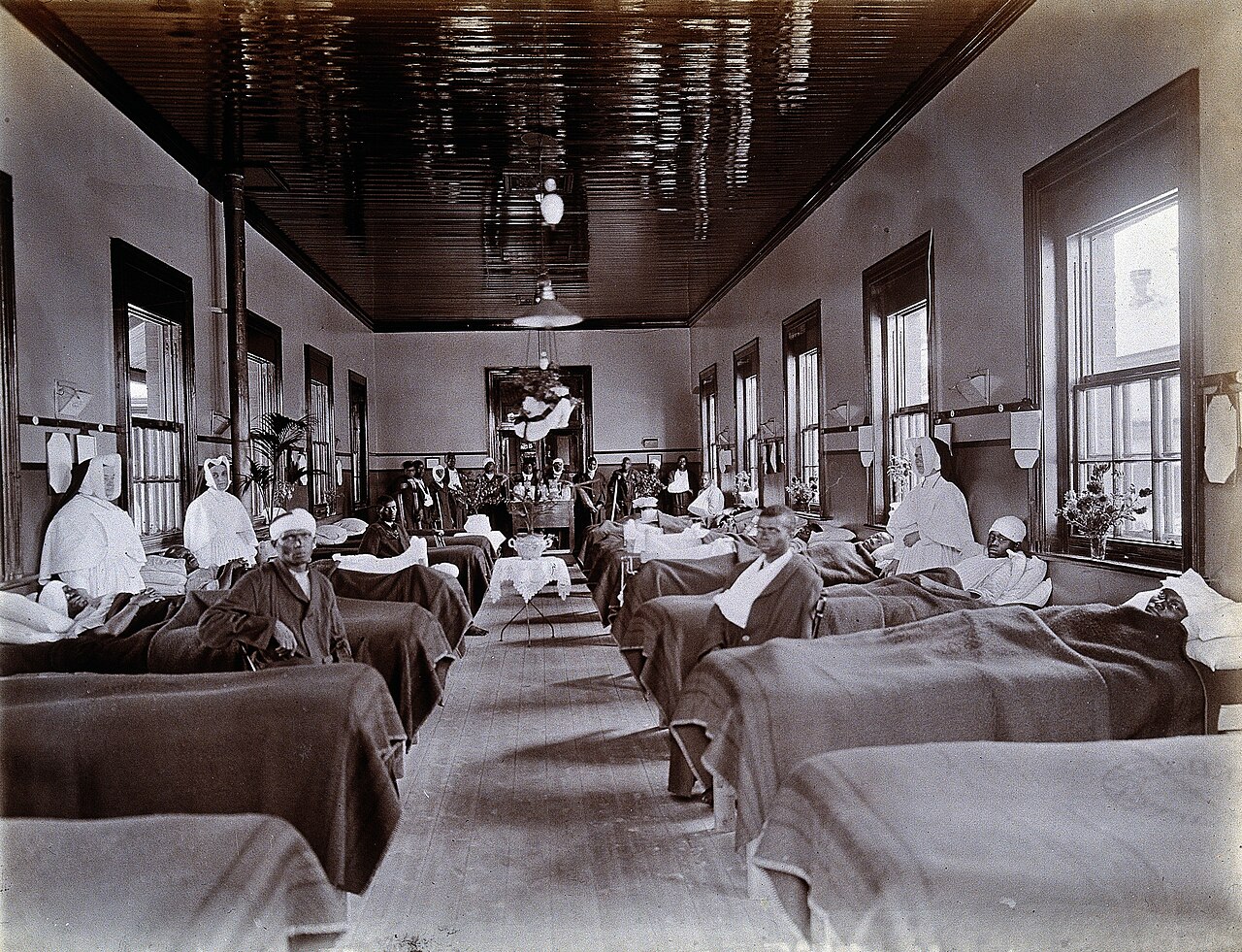

Founded in 1904, the Queen Victoria Maternity Hospital was one of Johannesburg’s earliest specialist hospitals for mothers and infants. For decades it served the growing city, welcoming thousands of newborns and becoming a key part of many South African family histories.
About the hospital
The Queen Victoria Maternity Hospital, later also known as the Queen Victoria Maternity Home, opened its doors in Johannesburg in 1904. At the time, the city was expanding rapidly due to the gold-mining boom, and the need for proper medical care—especially for women and newborns—was becoming increasingly urgent.
In the early twentieth century, many births still took place at home, often without trained medical assistance. The establishment of a dedicated maternity hospital marked an important shift toward safer, more professional childbirth care. Queen Victoria quickly became a central institution for maternal health in the city, providing not only delivery services but also prenatal and postnatal care.
Over the decades, the hospital served thousands of families from Johannesburg and the surrounding areas. For many residents, it became the place where generations were born, making it deeply woven into the social fabric of the city. Birth records from the hospital now form an important part of genealogical research, helping descendants trace their family histories back to early twentieth-century Johannesburg.
Although the hospital is no longer in operation, its legacy lives on through these records and the memories of the communities it served. For many South Africans, the name “Queen Vic” still marks the beginning of a family story—where a new life started in one of Johannesburg’s most historic maternity institutions.
Project credits
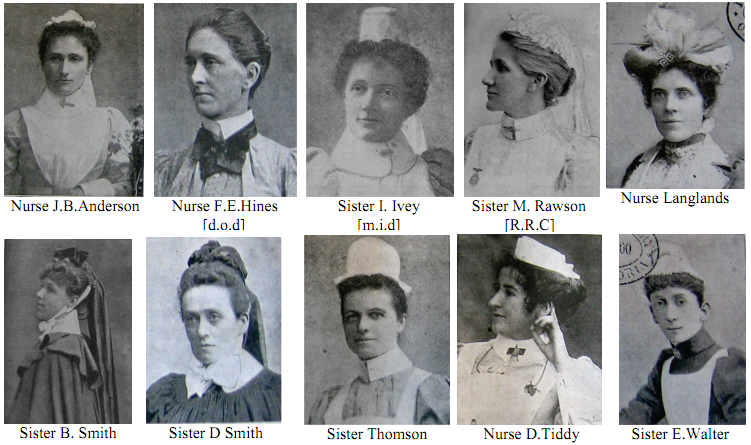
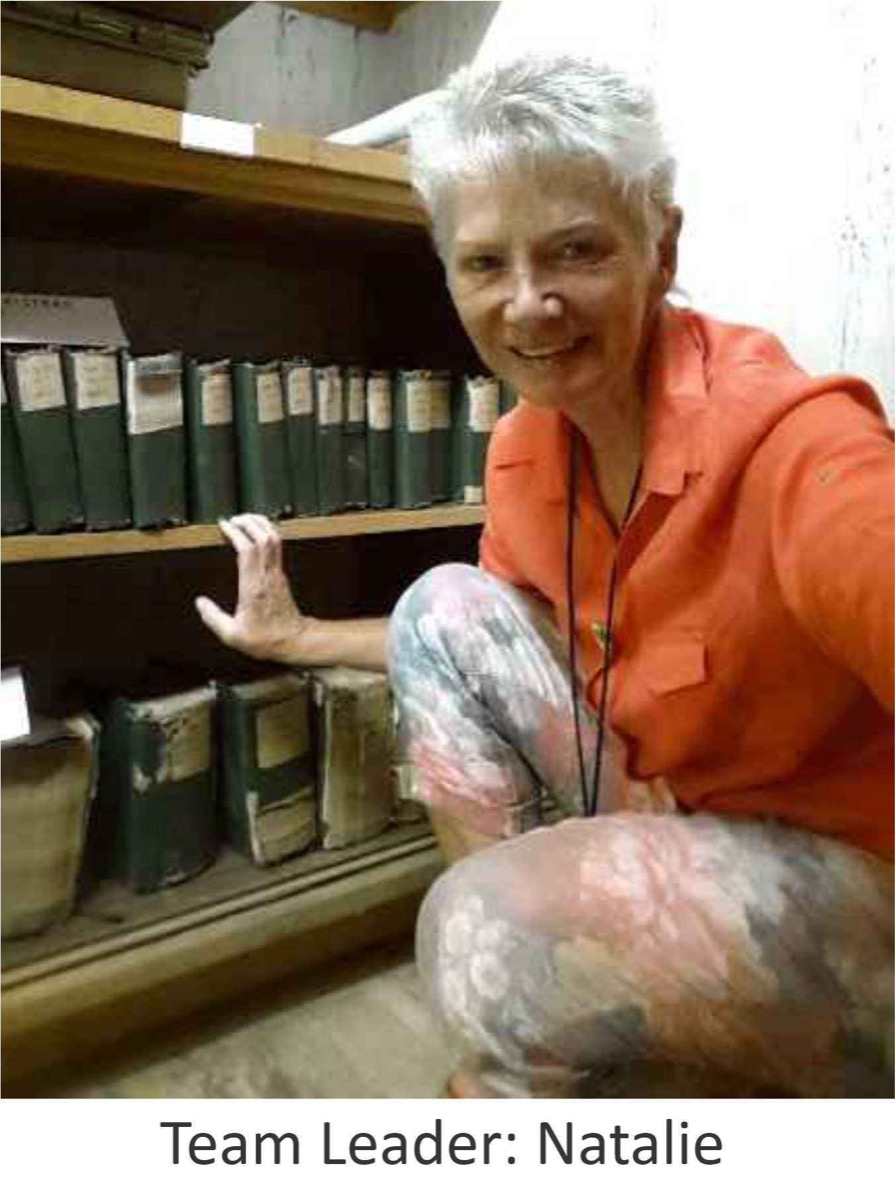
Natalie Da Silva, Jo Ohlsen, Andrea Band, and Jamie Band.
Fifty scrapbooks, one small room
This archive began as a stack of decaying scrapbooks in a small room. In 2021, after discussions with the hospital's governing body, a team of GSSA Johannesburg volunteers was given permission to photograph the birth registers in the newly established hospital archive. Every record page on this site is a digital copy of one of those volumes.
What the collection is
The hospital's births were recorded year by year in large scrapbook registers, each about 60 cm square, dating from the hospital's founding in 1904. The wider archive spans the institution's working life: ward, admission and maternity registers, nurses' journals from 1916, bound government gazettes in remarkable condition, and volumes running as late as 1978.
This site publishes the 1904–1921 births — 5,846 records, 99% with the original register page attached. Everything inside the 100-year privacy boundary stays closed, here and everywhere.
How it was made
The volunteers worked at the archive twice a week: listing every date, merging the ward, admission and maternity registers into chronological order, and photographing section by section. By early 2022 the team had indexed more than 2,700 images covering 1904–1917 — proving, as the project report put it, that teamwork is dreamwork. The transcription that turns those pages into the searchable records on this site is done by GSSA members, and continues today.
The founding team
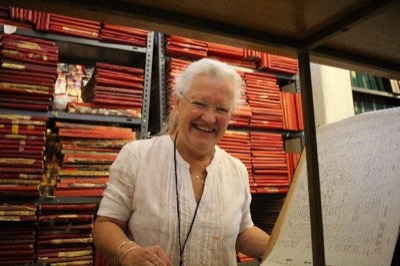
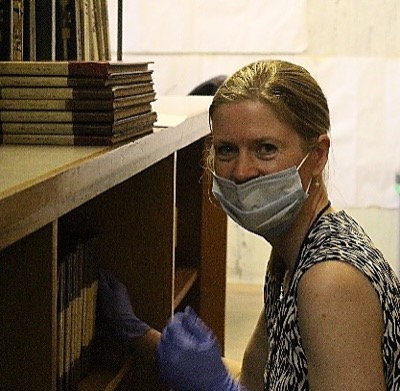
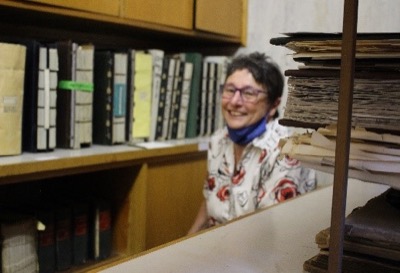
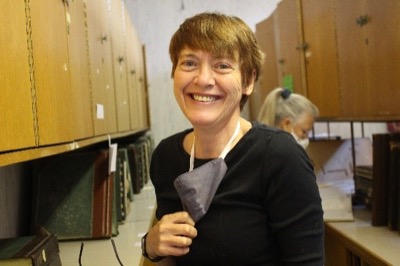
Photographs: GSSA Johannesburg project archive, 2021–2022.
Inside the former Queen Vic maternity wards
An exploration filmed by THE ROGUE URBEX. The video starts at 10:17.
Did you know?
- A hospital within a hospital network. In 1913, Queen Victoria became the first branch of Johannesburg General Hospital. Source ↗
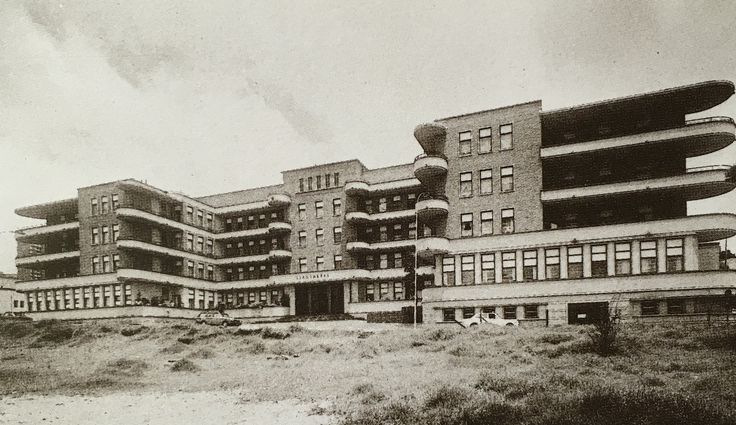
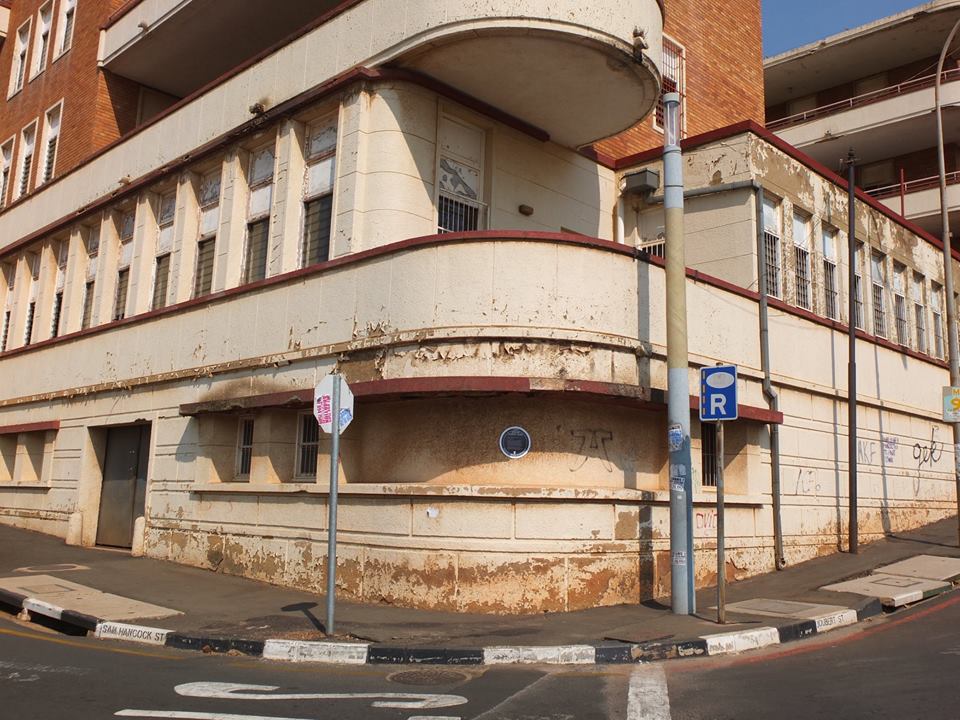
- An Art Deco landmark. The later hospital building, dating to 1943, was designed by architect Gordon Leith in the streamlined Art Deco style. Source ↗
- Balconies with a purpose. The building’s distinctive rounded balconies served as recuperation areas for patients. Source ↗
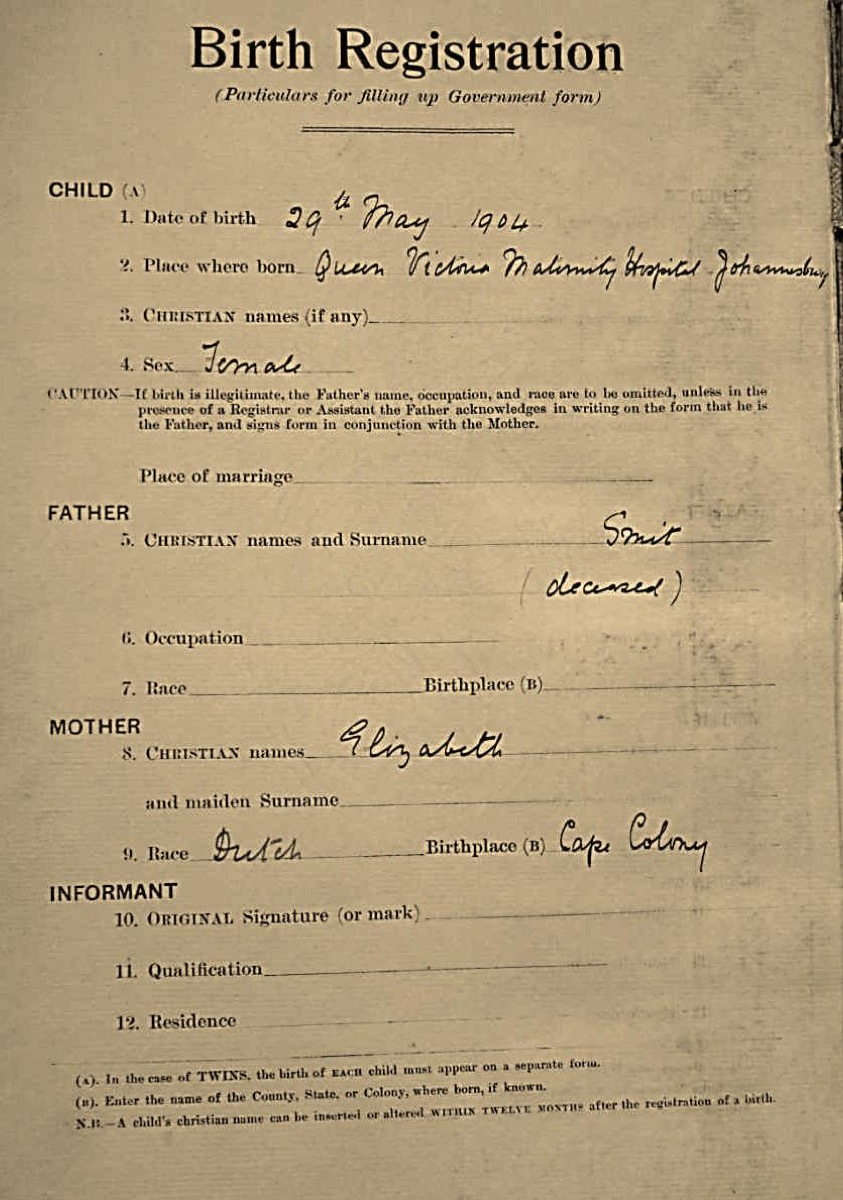
- The first arrival. Historian Marc Latilla records the first birth as a girl born to Elizabeth Smit on 29 May 1904. Source ↗
- A different starting address. The original maternity home stood on Siemert Road in Doornfontein, beside the Lions Shul. Source ↗
- Small beginnings. The Guild of Loyal Women established the first home in rented premises accommodating 50 patients. Source ↗
- A move before the familiar building. A purpose-built home on Sam Hancock Street was completed in 1906 and officially opened by Lord Selbourne in 1907. Source ↗
- Training the next generation. Queen Vic also served as a training school for midwives. Source ↗
- A date set in stone. Mrs Pienaar, wife of the Transvaal Administrator, laid the later building’s foundation stone on 10 May 1943. Source ↗
- Room to grow. The later maternity hospital was designed with 185 beds. Source ↗
- Thousands of family beginnings. Latilla reports 160,793 births at Queen Vic between March 1906 and May 1978. Source ↗
- More than half a century of registers. The GSSA project report describes an archive covering 1904–1956. That is the digitisation scope, not a promise that all those years are searchable here. Source ↗
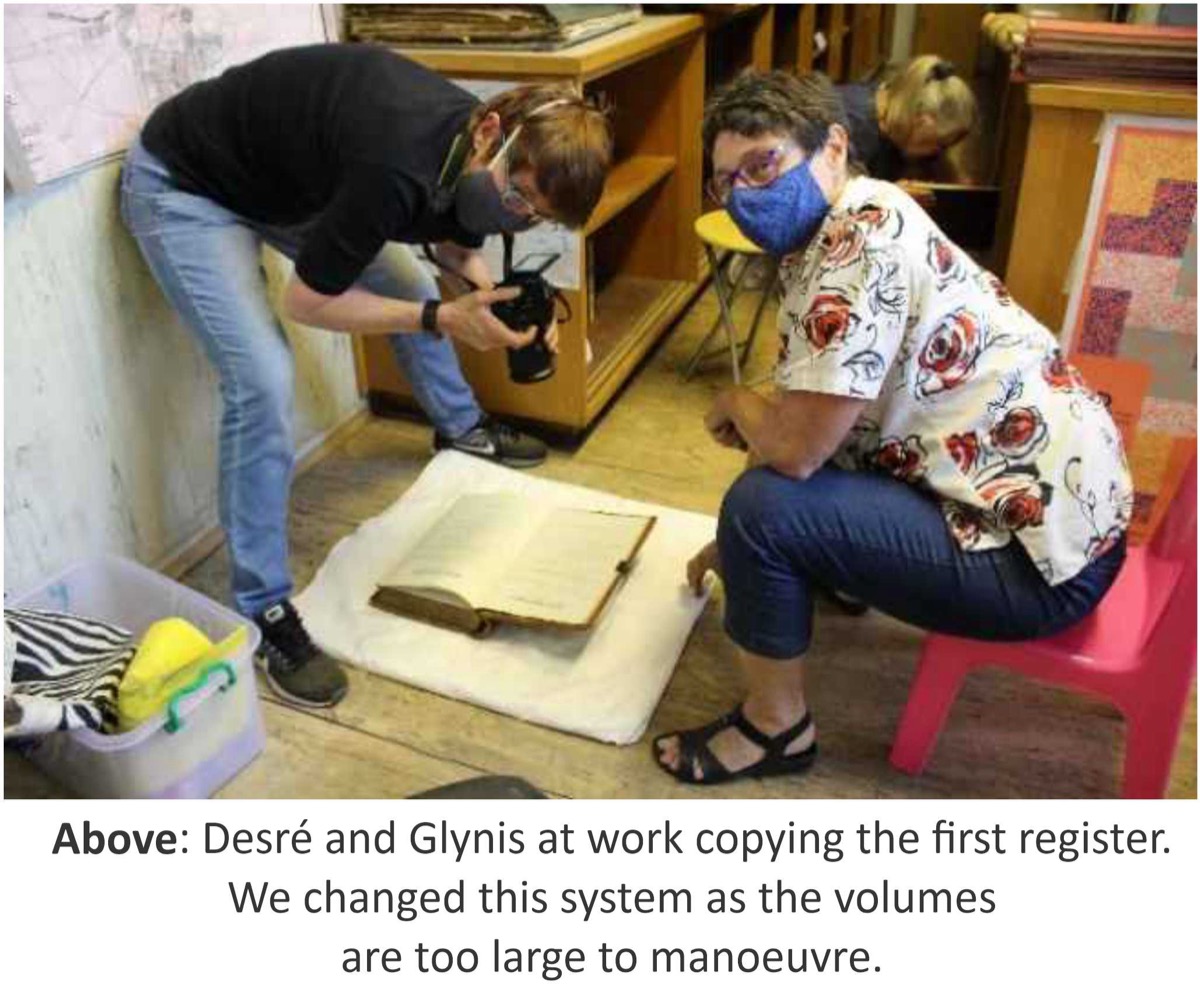
- Not ordinary notebooks. Volunteers described fragile scrapbooks measuring at least 60 cm square, with some already deteriorating. Source ↗
- Different registers, different clues. The archive work brought together ward, admission and maternity registers. Source ↗
- Starting with the earliest volume. Desré Sjoberg and Glynis Steer began working on the first register volume, dated 1904. Source ↗
Project status
Work in progressWe're not finished. More records are coming.
We have 5,846 births online so far, covering 1904 to 1921. The hospital kept records until 1956, and our volunteers are typing them up one volume at a time. New years appear here as they're finished.
If a search finds nothing for someone born after 1921, don't give up. The record exists in the archive. We just haven't added it yet.
What we have today
| Births online | 5,846 (1904 – 1921) |
| With a photo of the original page | 99% |
| Father's job listed | 90% |
| Mother's birthplace listed | 99% |
| Baby's first name listed | 22% |
| Still to be typed up | 1922 – 1956 |
The privacy rule
We never publish records for babies born in the last 100 years. Today, that means nothing after 10 November 1926. The rule moves forward on its own: every record opens on its 100th birthday.
About the blanks
Many fields are empty because the original clerk left them empty. We type exactly what the register says — nothing added, nothing tidied.
Spotted a mistake?
Email johannesburg [at] genza [dot] org [dot] za with the record's ID, and we'll check it against the photo of the original page. Please report on records that are published here; we can't discuss records that are closed under the 100-year rule.
Want to help?
This archive is a project of the Genealogical Society of South Africa. Transcription work is organised through the society, where volunteers agree to handle unpublished records in confidence and never publish them early. If you'd like to help, please join the society at genza.org.za.
Records by decade
Shows which years are in the archive and where the gaps are
Years within the privacy period are excluded entirely and shown as a single suppressed bar.
Sex at birth
All records with a recorded sex
Most common surnames
Father's surname, top 5 · only groups of 20+ shown
Mother's age at birth
5-year bands · recorded for 17% of registrations · groups below 100 folded into Other
Parents' countries of origin
Derived from the recorded birthplace · historical names as recorded, modern country in brackets · percentages; countries below 50 births folded into “Other”
Fathers
Mothers
Cities are mapped to their country via a curated reference table; birthplaces that cannot be confidently mapped are counted under “not identified”. Percentages only, so small groups cannot be counted back to individuals.
Fathers' occupations
Top 8 · recorded at time of birth · groups of 40+ shown
Parents' marital status
Share of registrations recorded without the father's details · the closest measure this register gives of births out of wedlock · percentages only
A couple who married after a birth would appear here — the register records the declaration, not the marriage. Wording kept to what the archive states; no labels applied to children.
Stillbirths in the register
Share of registrations noting a stillborn child · recorded by the transcribers in the child's name field · percentages only
3.7% of all registered births. These entries are the archive's own record of losses that families carried; every figure here covers groups of at least 50 registrations.